
Executive & Brand Communications Strategist
Executive & Brand Communications Strategist
Most executives prepare for panels by refining what they’ll say. This one needed to transform how he’d say it. The difference was authority that landed immediately and content that continued working long after the event ended.
The real problem
Responses were technically solid but read like written answers, not spoken expertise. The tone was overly formal, sentences were structured for documents, and key insights were buried under corporate hedging.
Outcome
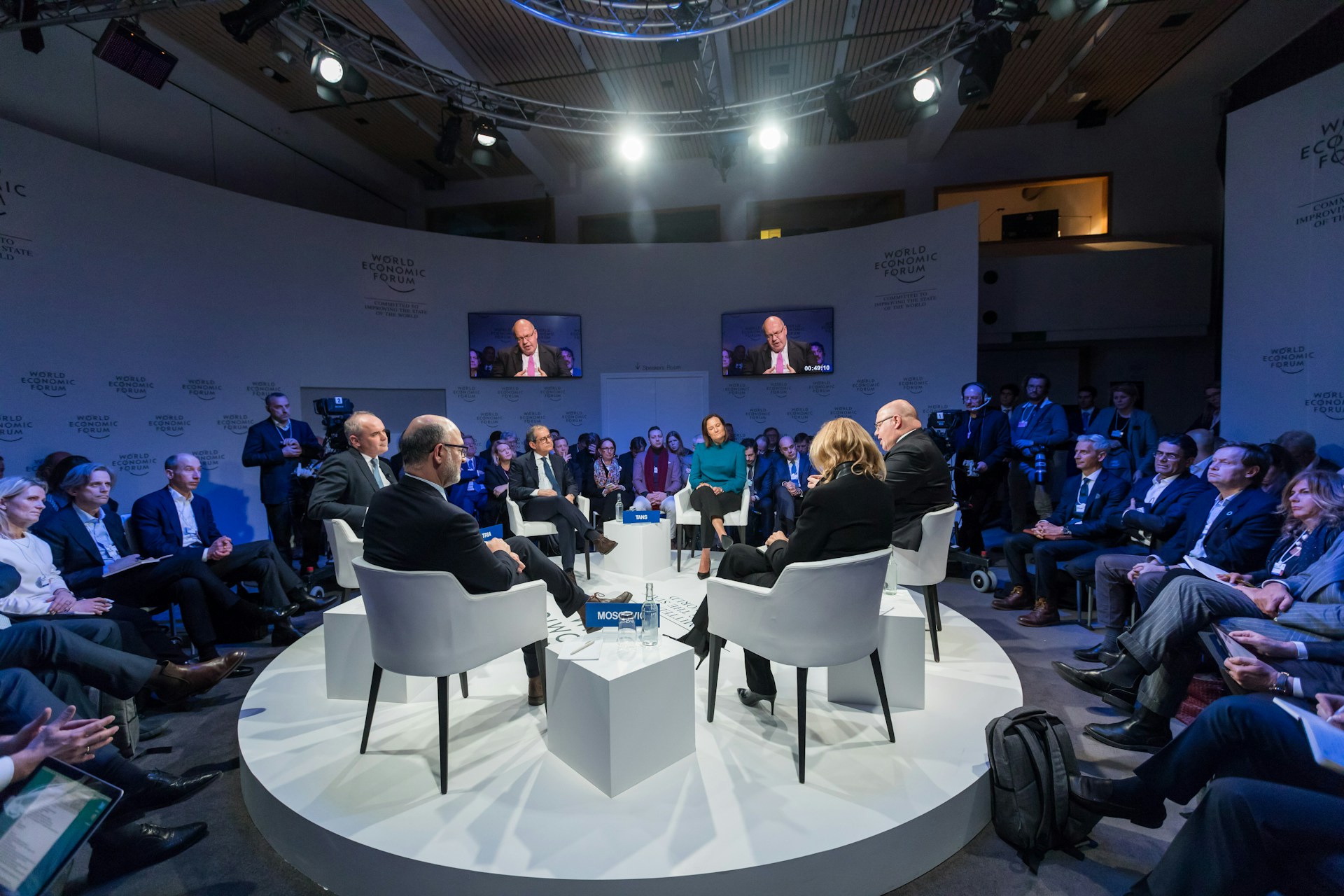
A senior healthcare executive was speaking at a major industry expo on a panel covering healthcare innovation, payment model reform, and population health strategy.
This panel would be attended by regional regulators, major providers, and board-level partners. His performance would shape how he was perceived long after the event.
His communications team had drafted responses that were technically solid and backed by data. The substance was strong. He knew his domain deeply.
But the responses read like written answers, not spoken expertise. The tone was overly formal. Sentences were structured for documents, not conversations. Key insights were buried under corporate hedging and qualifiers.
The problem wasn’t the content. It was what the content would sound like in the room, and what it wouldn’t be able to do afterwards for his profile.
Responses that work on paper often fall flat on stage.
Here’s what most people miss about thought leadership: audiences don’t just evaluate what you say. They evaluate how confidently you say it.
When someone hedges constantly (“we’re seeing this increasingly play out”), qualifies every statement (“innovation tends to fall short”), or buries insights under context, it reads as uncertainty, not intellectual humility.
Corporate writing prioritizes caution. Thought leadership requires conviction.
The two aren’t mutually exclusive, but they require completely different construction. The work wasn’t editing for correctness. It was reshaping for authority.
And content that can’t be repurposed means all that preparation serves one 45-minute panel and then disappears.
This was the first time I felt completely confident in my delivery.
Corporate writing buries the main point under background. Thought leadership states the insight first, then builds the case.
I advised against over-preparing background context and insisted we prioritise three clear positions instead.
Before: “Innovation consistently falls short when payment models remain tied to activity rather than outcomes…”
After: “At the core of this is a system design challenge. When you pay for activity, you naturally get more activity. That’s how incentives work.”
Same point. Completely different impact.
I replaced passive constructions with active voice, cut unnecessary qualifiers (“increasingly,” “consistently,” “overall”), used natural contractions where appropriate, and broke long sentences into shorter statements that gave ideas space to land.
The original responses included strong statistics, but they interrupted flow rather than reinforcing points.
Before: “In a MENA health insurance market valued at over US $121 billion, alignment around early intervention is what allows innovation to scale sustainably.”
After: “In a MENA health insurance market valued at over $121 billion, that alignment is what allows innovation to scale.”
The data stayed. The delivery improved.
Corporate language hedges. Thought leadership requires confidence.
Changes like:
Subtle shifts. Significant difference in perceived authority.
I restructured five panel responses so complex healthcare ideas would land clearly and credibly when delivered live.
The restructuring focused on four core principles:
Lead with clarity, not context
State the insight first, then build the case
Strip away written formality
Make responses sound natural when spoken aloud
Make data conversational
Let statistics reinforce points rather than interrupt flow
Strengthen authority through conviction
Replace hedging language with confident statements
Each response was edited to work both on stage and across every channel afterwards.
“I’ve spoken on panels before, but this was the first time I felt completely confident in my delivery. Andrea didn’t just edit my responses, she helped me understand how to structure expertise so it lands with authority. The feedback after the event was noticeably different. And having content ready to repurpose immediately was invaluable.”
Senior Executive
UAE healthcare market
The gap between expertise and perceived authority often comes down to delivery structure, not knowledge depth.
Everyone at a certain level knows their domain. The differentiation comes from how clearly you can articulate what you know under pressure.
When executives speak at industry events, they’re establishing positioning. The ones who sound tentative get categorized as technical experts. The ones who sound confident get categorised as strategic leaders.
Same knowledge. Different perception.
This is what executive positioning looks like when language is treated as strategy.
If you’re preparing for a panel, keynote, or media appearance and need to transform technical expertise into confident thought leadership, let’s talk.
Need my help? I'm just a message away!